Historic home roofing · Wilmington, NC
Historic home roofing
Look before you change.
Historic roof repair starts with what’s already on your Wilmington, NC home. We check earlier repairs, original materials, chimneys and flashing before discussing your options.
Free roof inspection. No pressure.
Historic roof inspections
For historic home roofing, the details guide the work. We check these parts of an older roof.
What’s actually up there
Metal, wood, slate and older shingles all age differently. We name the material before we recommend anything.
Earlier repairs
Patches, overlays and mixed materials can hide the original condition or create new weak spots.
Chimneys and flashing
On many older homes, leaks start where the roof meets brick, walls and valleys.
What sits underneath
Older decking and framing can differ from today’s. Some of it is only confirmed once access is safe.
The details that make the house
Rooflines, trim and original details are part of the home. A good plan protects them.
Coastal wear
Wind, moisture and salt air add up over decades. Material choices should account for it.
Historic roof repair
An older roof may need upkeep, a repair or replacement. We’ll use inspection photos to explain the options for your home.
Monitor
Nothing urgent. Photograph it and check again on a schedule.
Maintain
Small upkeep that keeps what you have working longer.
Repair
Fix the specific problem, like flashing or a leak point, and keep the rest.
Replace in kind
New roof, same material and look.
Change materials
Move to a different roofing material.
Homes in Wilmington’s local historic districts and overlays may need City review for roof changes. Check the City’s historic preservation guidance before deciding on work; the City determines the approval requirements.
See your roof’s condition.
Review inspection photos and roofing options at your own pace.
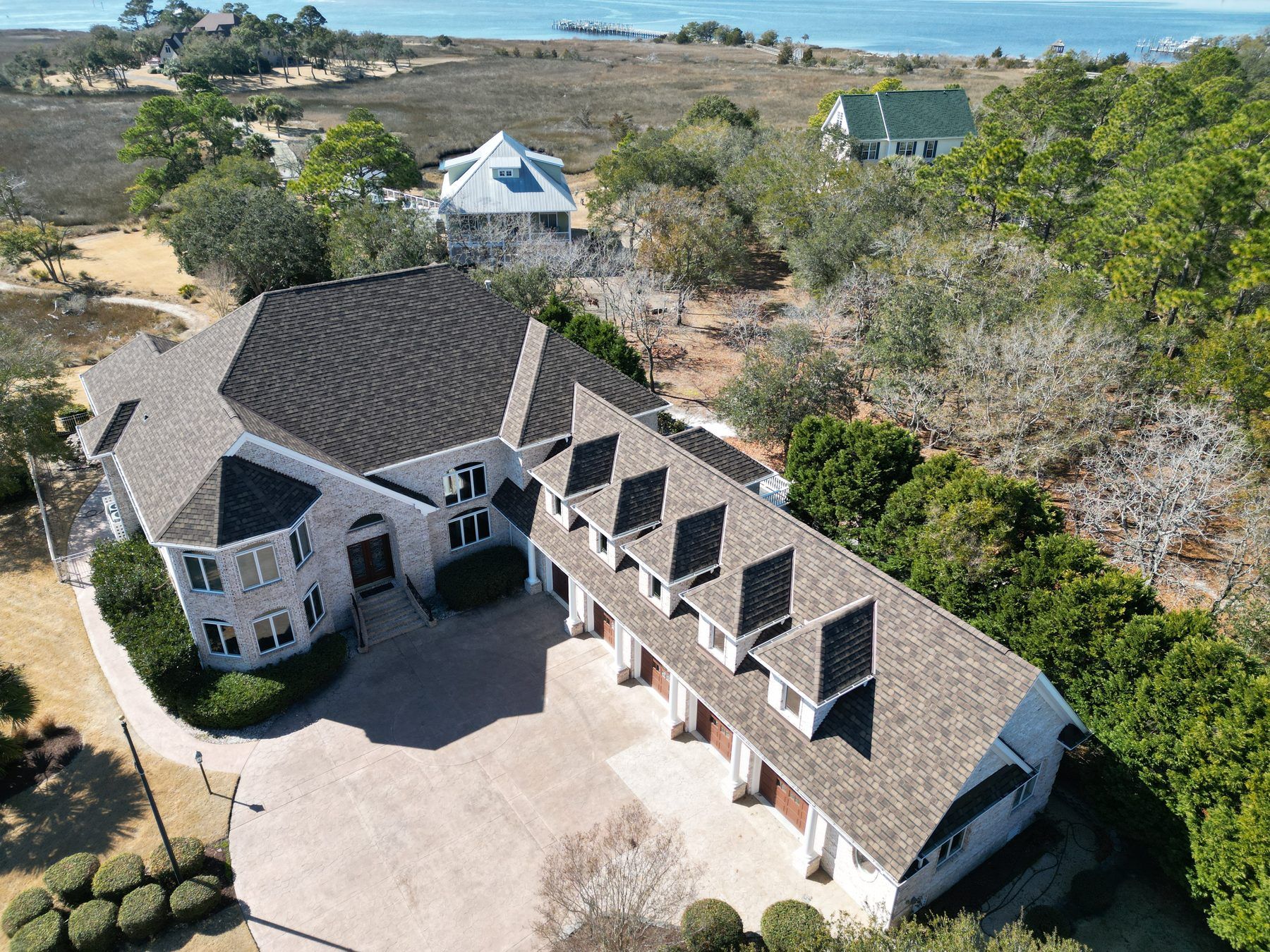
Shingle roof by the marsh · TPC photo
Copper and roof details
On older homes, the finish is in the details: where the roof meets dormers, walls and brick.
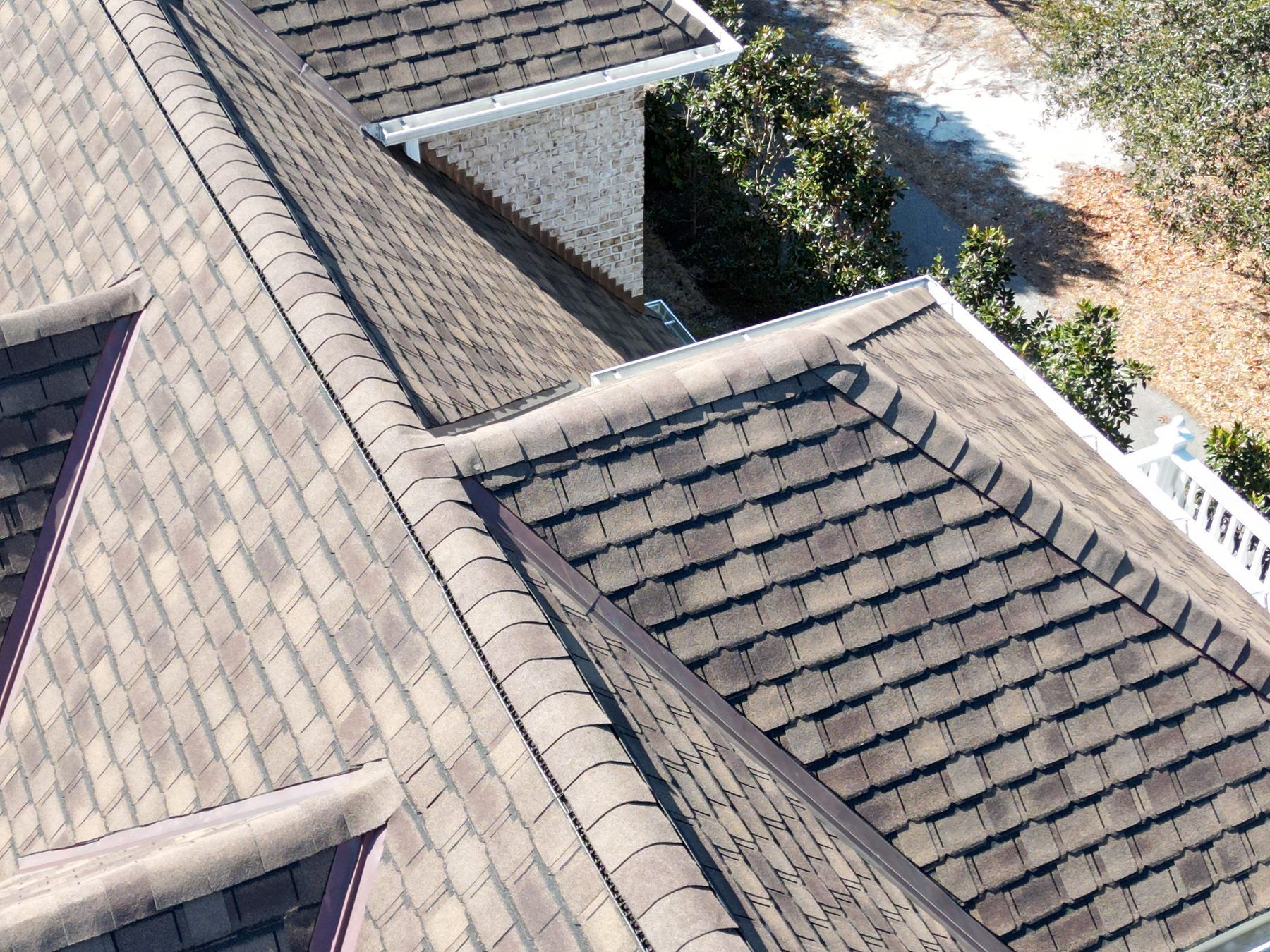
Clean lines at the dormers
Shingles worked around every dormer and skylight.
Architectural shingle · TPC photo
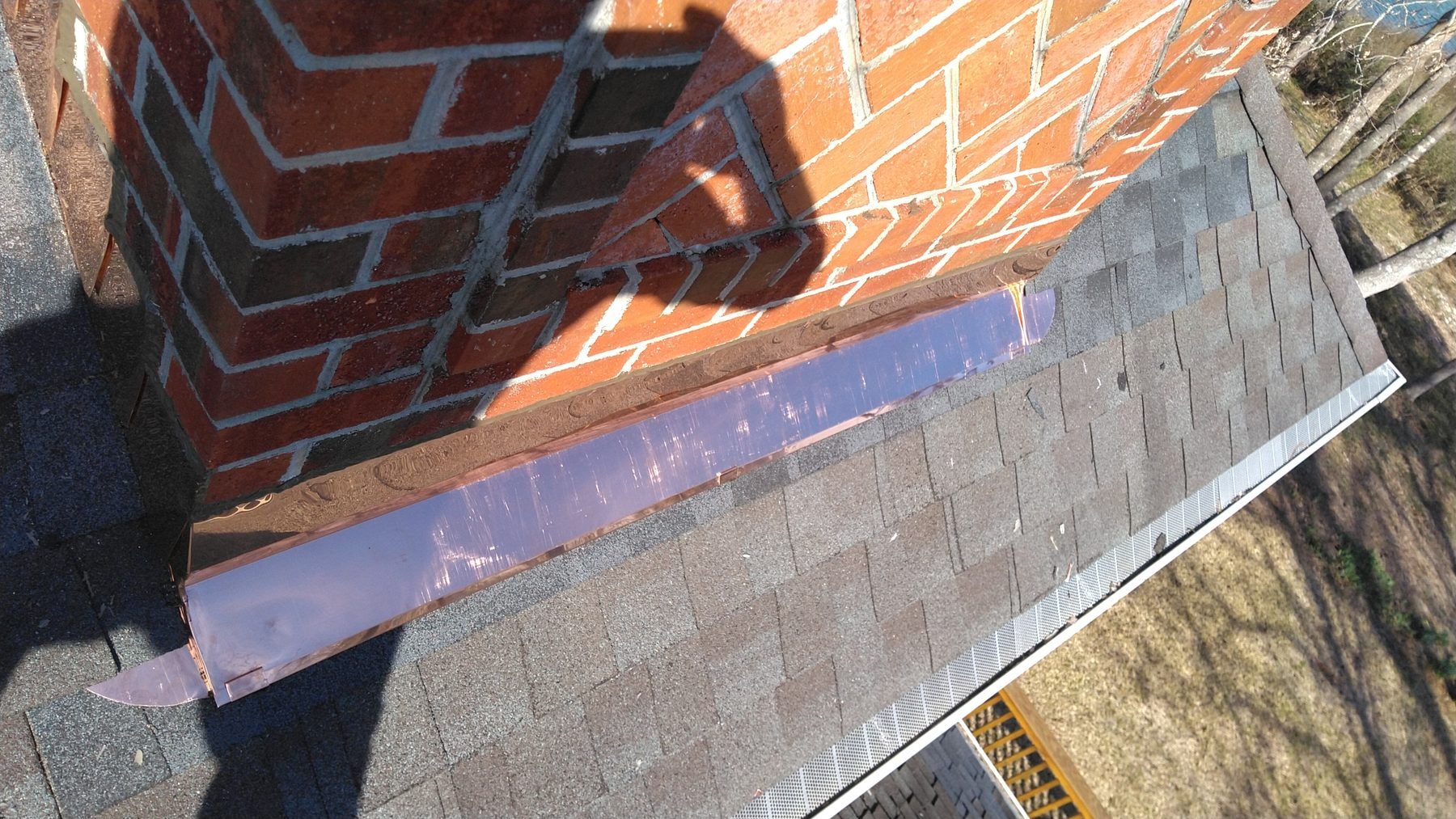
Copper chimney flashing repair
New copper flashing where the chimney meets the roof.
Copper flashing · TPC photo
Questions to ask any roofer about an older home
Ask these before choosing a roofer. Listen for clear, specific answers.
- What exactly is on my roof now? Ask them to name the material and point out earlier repairs.
- Can I see photos of what you found?
- Is this a repair, the same material, or a change? In a historic district, it can matter.
- What would you do about the chimney and flashing?
- What are all my options, including waiting?
- How will you protect the house and yard?
Historic roof and upkeep questions
How do I know if my house is in a historic district?
Use the City of Wilmington historic district guidance and zoning map to check your property. Ask City preservation staff if the boundary or review requirements are unclear.
Can I switch to a different roofing material?
In a Wilmington local historic district or overlay, ask the City before changing roofing materials. Its Certificate of Appropriateness guidance lists roofing material changes among major works. Approval is the City’s decision; compare roof materials before that conversation.
Where should I start with historic home maintenance?
For historic home maintenance, start with the roof’s ability to keep water out: patches, chimney flashing, valleys and wall joints. TPC photographs the roof and explains upkeep or repair options. See Roof Guard maintenance plans and examples of our roofing work.
What is a Certificate of Appropriateness?
A Certificate of Appropriateness, or COA, is the City’s approval for work reviewed under its historic preservation process. Before roof repairs or replacement, ask City preservation staff whether your property and proposed work need review. We can document the roof condition; the City determines the review route and approval.
Will you get my project approved?
TPC cannot promise City approval for historic roof work. We document your roof and explain the roofing options; the City decides approval.
Is repair always better on an old house?
Repair can suit an older roof that’s sound overall. If it isn’t, replacement in the same material may better protect the house. An inspection guides the choice.
Talk it through first
Tell us about your older roof in the form, or call or text 910-902-0271.
We’ll contact you about the roof and arrange an inspection.